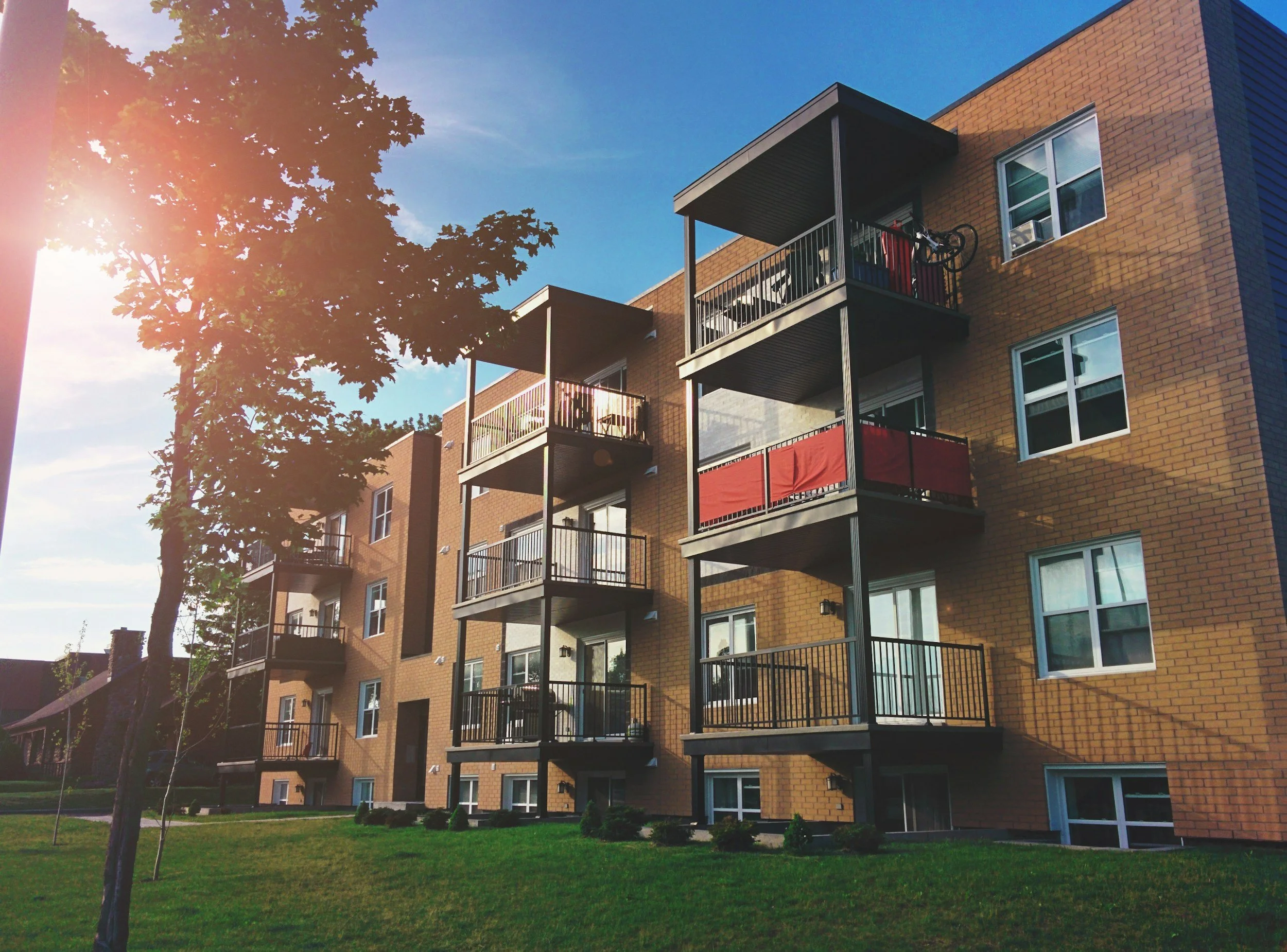
Fair Housing Contact Service investigates claims of housing discrimination and assists clients with filing discrimination complaints.
Race. Color. Religion. National Origin. Sex. Family Status. Disability.
Race. Color. Religion. National Origin. Sex. Family Status. Disability.

The Federal Protected Classes
With the passing of the Fair Housing Act as a part of the Civil Rights Bill passed just 7 days after Rev. Dr. Martin Luther King Jr was assassinated. The original four protected classes at the time were: Race, Color, Religion, and National Origin. In the following decades: Sex, Family Status, and Disability.
Discrimination in its simplest terms means to make a distinction. What makes an act of discrimination illegal (based on the fair housing act) would be: to make a distinction about someone BECAUSE OF their protected class.

Disability is currently the number 1 cause of fair housing-related complaints into our agency.
Federal law provides the following rights to person with disabilities, regardless of whether they live in public or private housing:

Fair Housing Accessibility Guidelines
Federal law prohibits discrimination against person with disabilities.
It is unlawful for a housing provider to refuse to rent or sell to a person simply because of a disability. A housing provider may not impose different application or qualification criteria, rental fees or sales prices, and rental or sales terms or conditions than those required of or provided to persons who are not disabled.
Federal law requires reasonable modifications for persons with disabilities.
A reasonable modification is a structural modification that is made to allow persons with disabilities the full enjoyment of the housing and related facilities. Install a ramp into a building, lowering the entry threshold of a unit, or installing grab bars in a bathroom are examples of reasonable modification.
Federal law requires reasonable accommodations for persons with disabilities.
A reasonable accommodation is a change in rules, policies, practices, or services so that a person with a disability will have an equal opportunity to use and enjoy a dwelling unit or common space. Reserving a parking space in front of the entrance to a unit for a tenant with mobility impairment is an example of reasonable accommodation.

Federal law requires reasonable modifications for persons with disabilities.
A reasonable modification is a structural modification that is made to allow persons with disabilities the full enjoyment of the housing and related facilities. Install a ramp into a building, lowering the entry threshold of a unit, or installing grab bars in a bathroom are examples of reasonable modification.
For information on how to comply with the physical accessibility requirements of the Fair Housing Act, visit the HUD Fair Housing Accessibility FIRST Web site.
Federal law requires that new covered multifamily housing be designed and constructed to be accessible.
In covered multifamily housing consisting of 4 or more units with an elevator built for first occupancy after March 13, 1991, all units must comply with the following seven design and construction requirements of the Fair Housing Act:
Accessible Entrance on an Accessible Route
Accessible Public and Common-Use Areas
Usable DoorsAccessible Route Into and Through the Dwelling Unit
Accessible Light Switches, Electrical Outlets, Thermostats, and Environmental Controls
Reinforced Walls in Bathrooms
Usable Kitchens and Bathrooms


Need more?
Do you have questions for us?